
Participation Expectations at my Clinical/Field Experiences
Here is a general description of what our students learn at their skills labs.
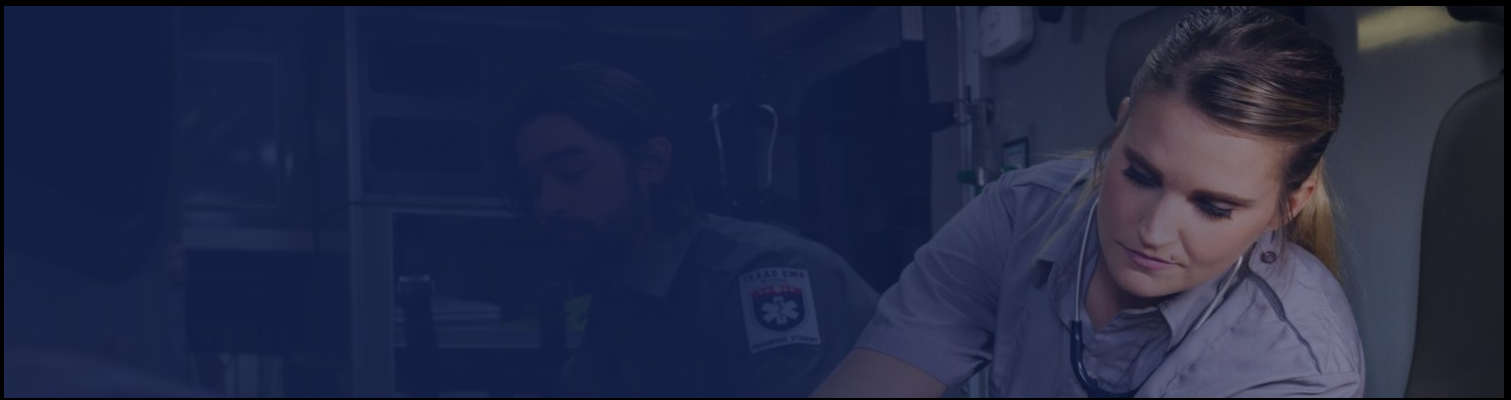
The following outlines what students can generally expect during their clinical and field experiences. However, all student participation is subject to clinical site policies, preceptor discretion, and appropriate supervision. Students should understand that certain situations may be limited to observation only, as determined by the clinical site or preceptor.
EMT students are encouraged to participate in all patient interactions they can for great exposure; however, they do not have specific patient age ranges, competencies, or skills they must complete during rotations like Advanced EMT and Paramedic students do. They do need to write comprehensive Patient Care Reports (PCRs) with detailed narratives on each patient. They cannot perform advanced skills, including IVs, advanced medication administration, advanced airway maneuvers, etc. EMT students may perform basic airway management and patient care skills, including insertion of OPA and NPA, oral suctioning, foreign body airway obstruction management for adults, children, and infants, oxygen administration via nasal cannula or NRB mask, BVM ventilation for adult, pediatric, and neonatal patients, CPR for adult, pediatric, and neonatal patients, obtaining vital signs and completing patient assessments, providing basic wound care and bleeding control, and assisting with patient movement and transport.
Paramedic students must be exposed to a variety of patient conditions, including trauma; psychiatric and behavioral complaints; obstetric delivery with normal newborn care, complicated obstetric deliveries, such as premature birth, abnormal presentation, or postpartum hemorrhage, distressed neonates, cardiac pathologies or complaints (including ACS and cardiac chest pain), cardiac arrest, cardiac dysrhythmias, neurologic pathologies or complaints (such as TIA, stroke, syncope, and altered mental status), respiratory pathologies or complaints (including respiratory distress or arrest, asthma, and lower respiratory infections; and other medical conditions, including gastrointestinal, endocrine, and ENT-related complaints.
In addition, paramedic students are trained to perform the following skills under the direct supervision of their preceptor at all times: establishing IV access, administering IV infusion and IV bolus medications, administering IM injections, establishing IO access, performing positive pressure ventilation (BVM), performing advanced airway management skills, needle decompressions, applying tourniquets, applying cervical collars, performing spine motion restriction; splinting long bone and joint injuries, dressing and bandaging wounds, including occlusive dressings, performing uncomplicated deliveries, performing CPR for adult, pediatric, and neonatal patients, and conducting comprehensive patient assessments and obtaining vital signs.
Paramedic students may also observe and, when permitted by site policy, medical direction, and preceptor discretion, assist with or perform higher-risk advanced procedures such as needle decompression, synchronized cardioversion, transcutaneous pacing, manual defibrillation, and other advanced cardiac or trauma interventions.
Advanced EMT (AEMT) students must be exposed to the same variety of patient conditions as paramedic students - with exception to the experience in cardiac dysrhythmia (interpreting 12 leads); however, their treatment capabilities differ based on scope of practice. AEMT students may perform all basic EMT skills and are trained to administer medications and fluids under the direct supervision of a preceptor. They may establish IV and IO access, administer medications via approved routes (including IM injections), and perform intubations and supraglottic airways. AEMT students are NOT permitted to perform the most advanced ALS procedures, including cricothyrotomy, needle decompression of the chest, synchronized cardioversion, manual defibrillation, or transcutaneous pacing. Any skills they participate in must be overseen by a preceptor.